Animal Behavior
Differences in post-conflict behaviour in wolves and dog-admixed wolves
Differences in post-conflict behaviour in wolves and dog-admixed wolves
- 저자: Amici F; Liebal K; Oña LS; Gretschzel A; Altdörfer T; Iacuzzi M; Kamanga G; Delaunay M
- 출처: - (2026)
- DOI/링크: https://doi.org/10.1098/rsos.260767
- 연구 계열: Topics/Animal Behavior
- 투고일: 2026-04-13
TL;DR
포획 상태의 늑대와 개 유전자가 섞인 늑대(dog-admixed wolves) 모두 화해와 제3자 친화 행동에 해당하는 갈등 후 친화 행동을 보였다. 혼혈 늑대의 화해·제3자 친화가 더 낮다는 증거는 없었으나, 이를 조절하는 사회적 요인은 집단 간에 달랐다.
1. 연구 배경 및 동기
- 다루는 문제: 여러 종이 갈등의 부정적 결과를 줄이기 위해 화해, 제3자 친화(피해자와 가해자 사이, 피해자와 제3자 사이의 갈등 후 친화 상호작용) 같은 기제를 사용한다. 이 연구는 늑대 2개 집단(n = 20)과 개와 교잡된 늑대 3개 집단(n = 13)을 비교했다.
- 기존의 공백 / 왜 필요한가: 개 유전자 유입이 늑대의 갈등 후 행동에 영향을 주는지 알려져 있지 않았다.
2. 관련 연구
- 이 논문의 위치: 비혼혈 늑대와 혼혈 늑대의 갈등 후 친화 행동과 이를 조절하는 사회적 요인을 직접 비교했다.
3. 핵심 기여
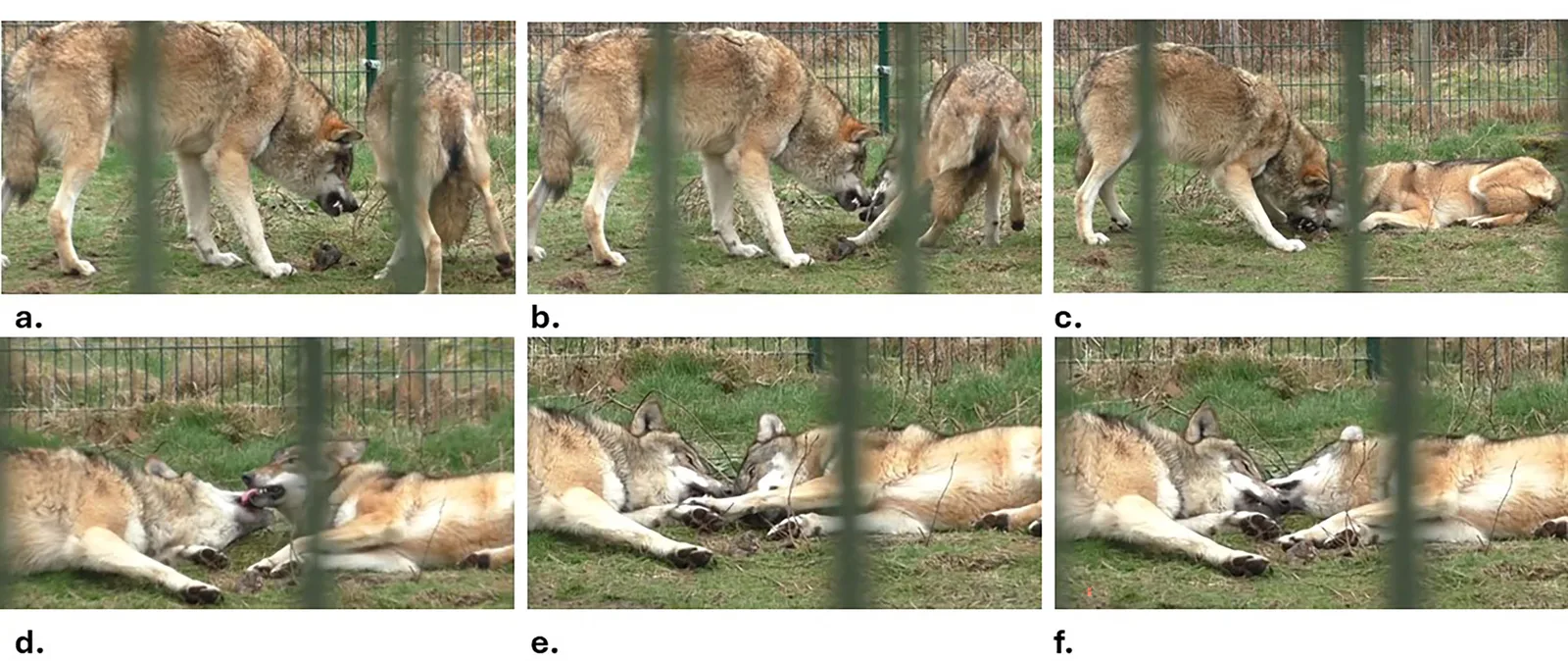
- 두 유형의 늑대 모두 화해와 제3자 친화에 해당하는 행동을 보임을 확인함
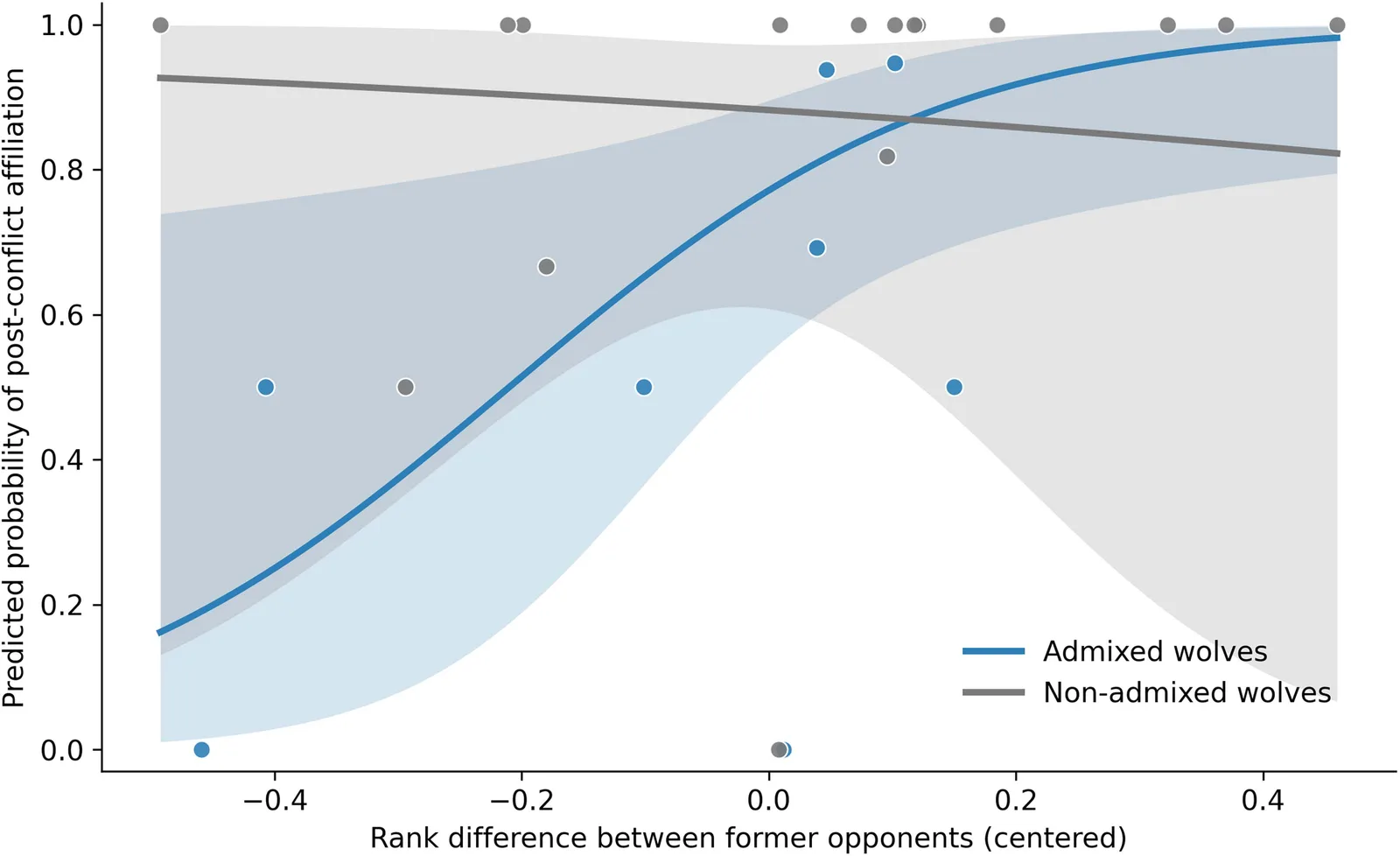
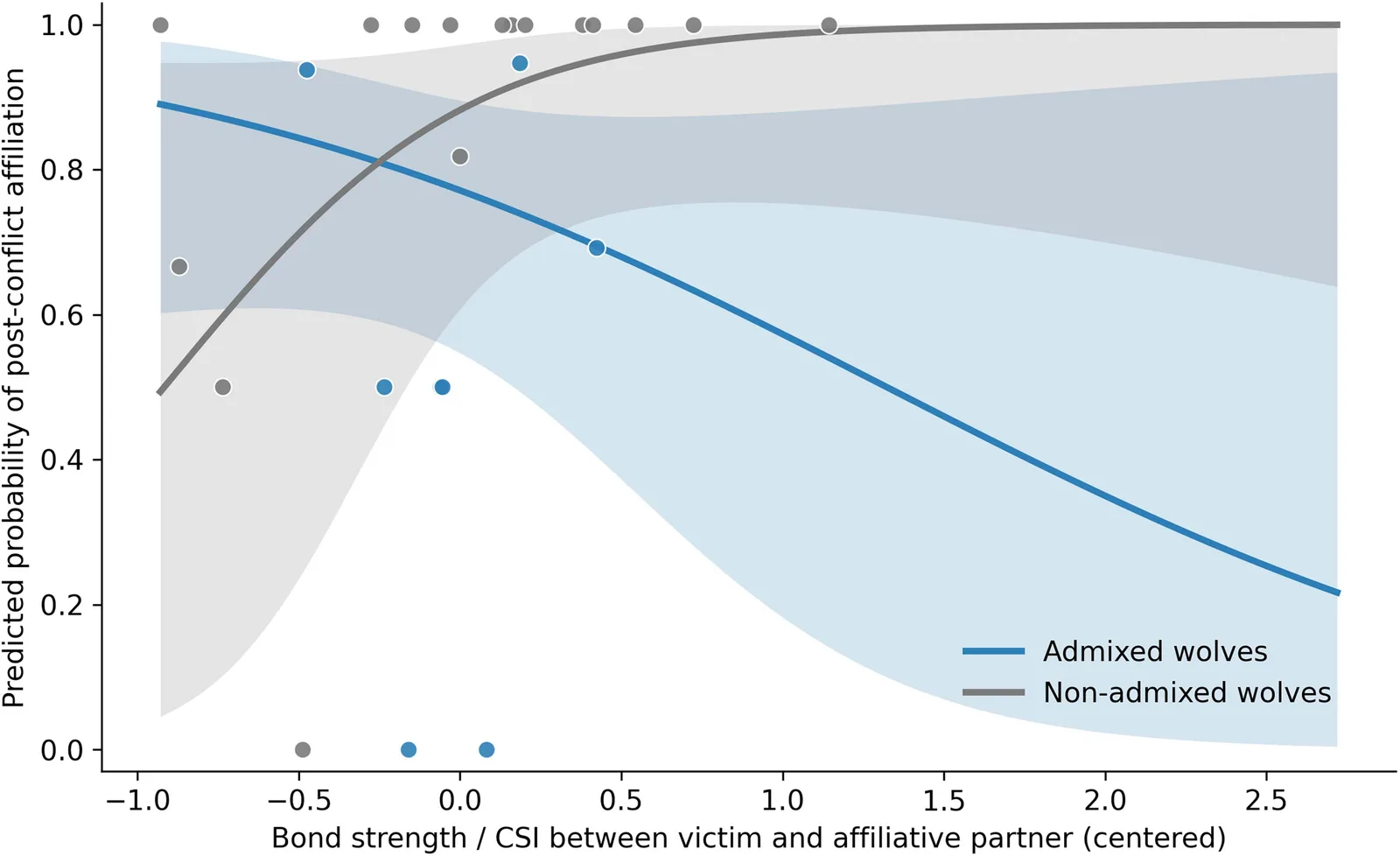
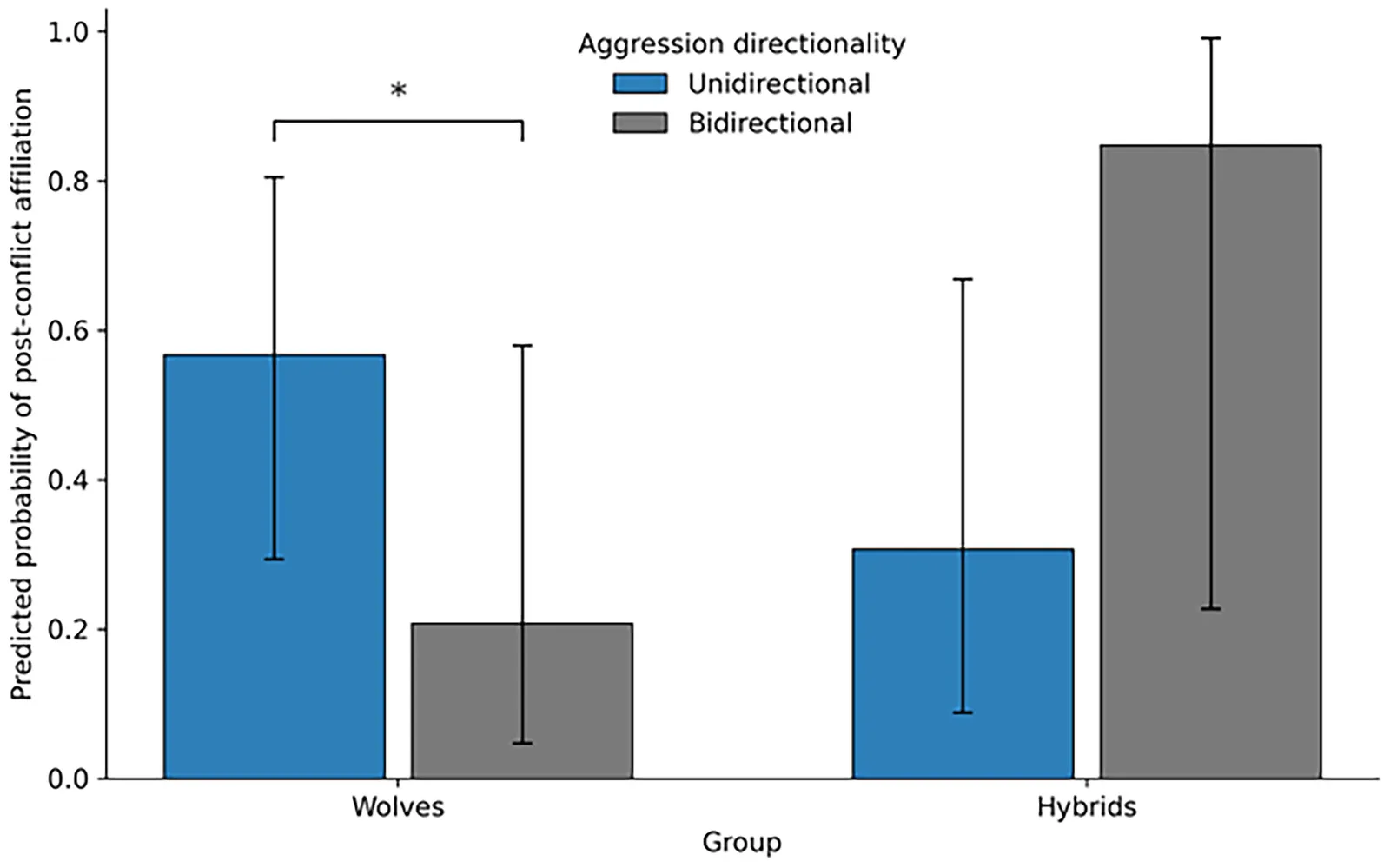
- 사회적 유대와 서열 거리의 조절 효과가 혼혈 여부에 따라 다름을 보임
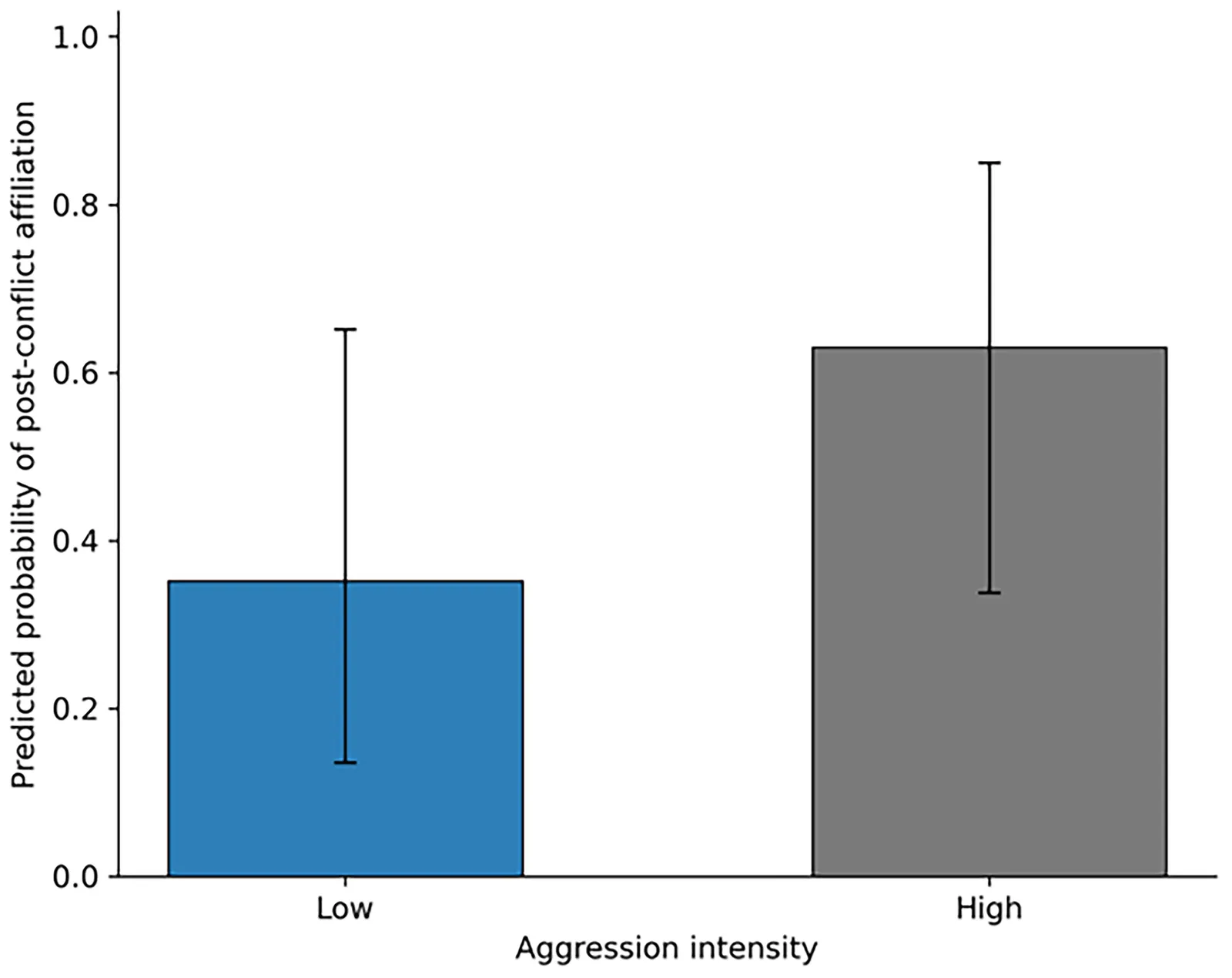
- 고강도 공격 후 갈등 후 친화 가능성이 높음을 보임
4. 제안 방법론
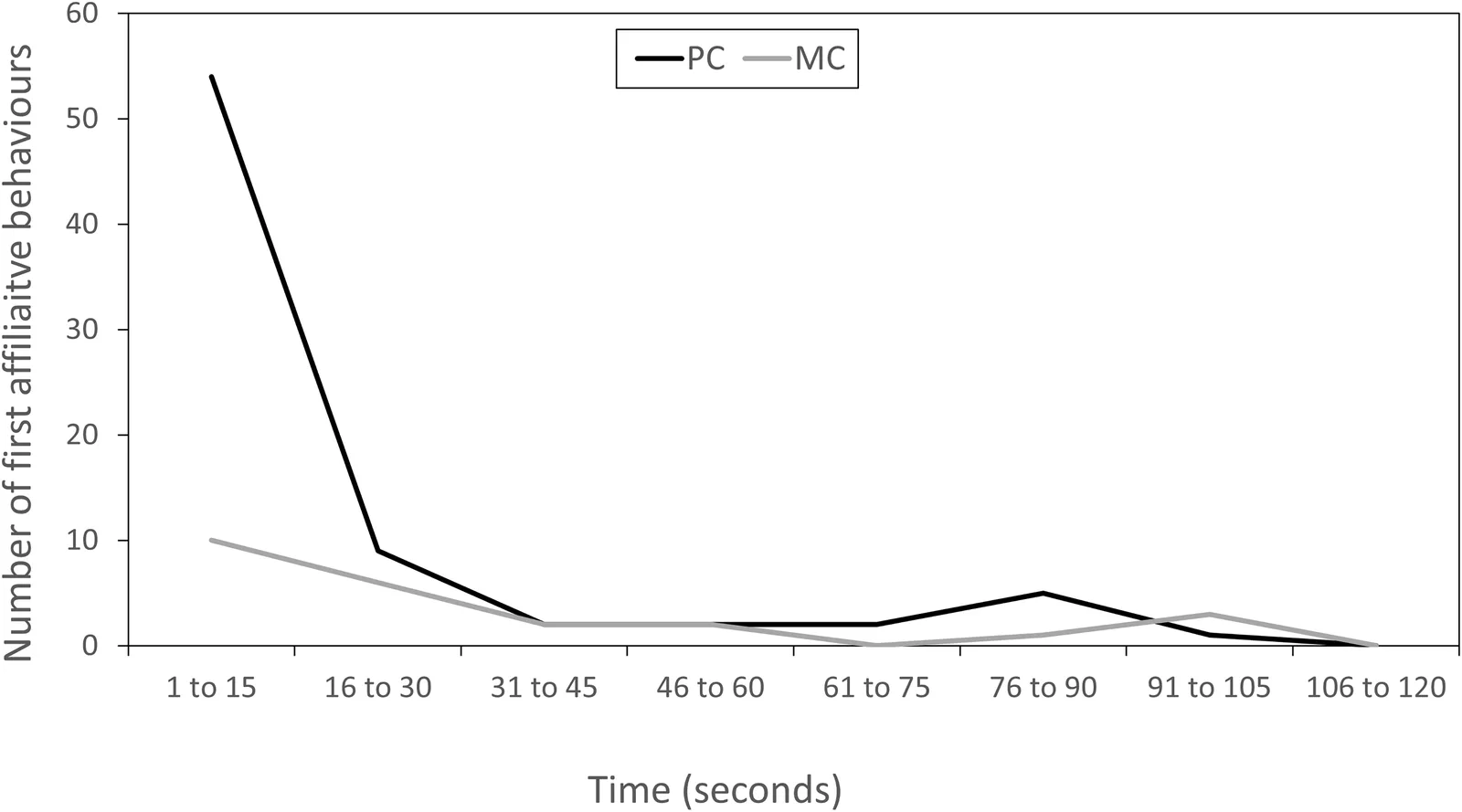
- 전체 접근 논리: 갈등 직후 2분간의 연속 초점 관찰과 대응 대조 기간을 비교해 갈등 후 친화 행동을 평가하고, 사회적 요인의 영향을 집단별로 분석했다.
- 단계:
- 공격 행동 후 2분간 연속 초점 표본추출(PC)과 대응 대조 기간(MC) 관찰
- 혼혈·비혼혈 늑대 집단별로 화해와 제3자 친화 분석
- 사회적 유대, 서열 거리, 공격 강도, 일방향 갈등 여부의 효과 분석
5. 실험 설정
| 항목 | 내용 |
|---|---|
| 대상/재료 | 포획 상태 늑대 2개 집단(n = 20)과 개와 교잡된 늑대(2세대 이상 backcross) 3개 집단(n = 13), 모두 성체 |
| 처리 조건 | 혼혈 여부, 사회적 유대, 서열 거리, 공격 강도, 갈등 방향성 |
| 대조군 | 대응 대조 기간(matched-control) |
| 측정 방법 | 연속 초점 표본추출에 의한 갈등 후 친화 상호작용 관찰 |
6. 실험 결과 분석
| 지표 | 변화(Δ) | 조건 · 유의성 |
|---|---|---|
| 갈등 후 친화 행동 | 혼혈·비혼혈 늑대 모두 화해와 제3자 친화에 해당하는 행동을 보임 | PC-MC 비교 |
| 혼혈 늑대의 화해·제3자 친화 | 비혼혈보다 낮다는 증거 없음 | 집단 간 비교 |
| 사회적 유대 | 비혼혈 늑대에서 갈등 후 친화를 촉진 | 비혼혈 늑대 |
| 서열 거리 | 클수록 갈등 후 친화가 높음 | 혼혈 늑대 |
| 공격 강도 | 고강도 공격 후 갈등 후 친화 가능성이 높음 | 혼혈·비혼혈 모두 |
| 일방향 갈등 | 일방향 갈등 후 갈등 후 친화 가능성이 높음 | 비혼혈 늑대 |
7. 비판적 평가
강점
- 유전적으로 확인된 혼혈 늑대와 비혼혈 늑대를 동일한 방법으로 비교함
- 대응 대조 기간을 두어 갈등 후 행동을 평가함
한계 · 의문
- 포획 상태의 소수 집단을 대상으로 함
- 혼혈 늑대 집단의 사육 환경과 구성이 집단마다 다름
8. 향후 연구 방향
9. 결론
개 유전자 유입은 늑대의 갈등 후 행동에 영향을 줄 수 있다. 두 유형 모두 갈등 후 친화를 보이지만 그 바탕이 되는 기제는 부분적으로 다를 수 있다.
Keywords
wolves, dog introgression, reconciliation, third-party affiliation, post-conflict behaviour, social bonds, rank distance
원문 그림
원문 그림 · 라이선스: cc-by