Natural Product Efficacy Evaluation
Phytochemical Characterization of Astragalus boeticus L. Extracts, Diuretic Activity Assessment, and Oral Toxicity Prediction of Trans-Resveratrol
Phytochemical Characterization of Astragalus boeticus L. Extracts, Diuretic Activity Assessment, and Oral Toxicity Prediction of Trans-Resveratrol
- 저자: Elidrissi AE; Soulo N; Elrherabi A; Chelouati T; Zouirech O; Agour A; El-Yagoubi K; Tbatou W
- 출처: - (2025)
- DOI/링크: https://doi.org/10.3390/ph18121893
- 연구 계열: Topics/Natural Product Efficacy Evaluation
- 투고일: 2025-11-06
TL;DR
Astragalus boeticus 수성 및 70% 에탄올 추출물을 LC-MS/MS로 분석해 페놀 화합물 14종(trans-resveratrol 최다)을 확인했고, Wistar 쥐에서 두 추출물 300 mg/kg이 요량, 염소 배설, 크레아티닌 청소율을 높이면서 신장, 간 생화학 지표는 안정적으로 유지했다. trans-resveratrol의 in silico 독성 예측에서도 간독성, 변이원성, 신경독성이 없었다.
1. 연구 배경 및 동기
- 다루는 문제: 식물 유래 이뇨제는 합성 약물보다 효능과 안전성이 좋을 것으로 기대되어 관심이 커지고 있다.
2. 관련 연구
- 이 논문의 위치: A. boeticus 추출물의 성분 규명, 이뇨 활성 평가, 주요 페놀 성분의 경구 안전성 예측을 함께 다뤘다.
3. 핵심 기여
- LC-MS/MS로 페놀 화합물 14종을 동정했고 trans-resveratrol(수성 추출물 270 µg/g)이 가장 많았다
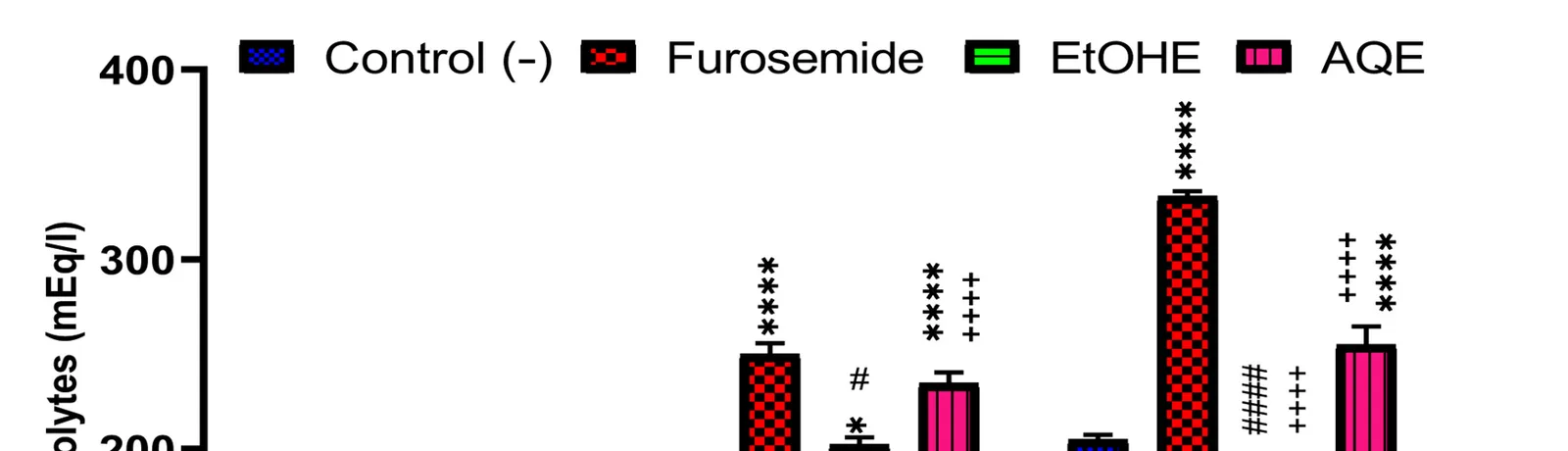
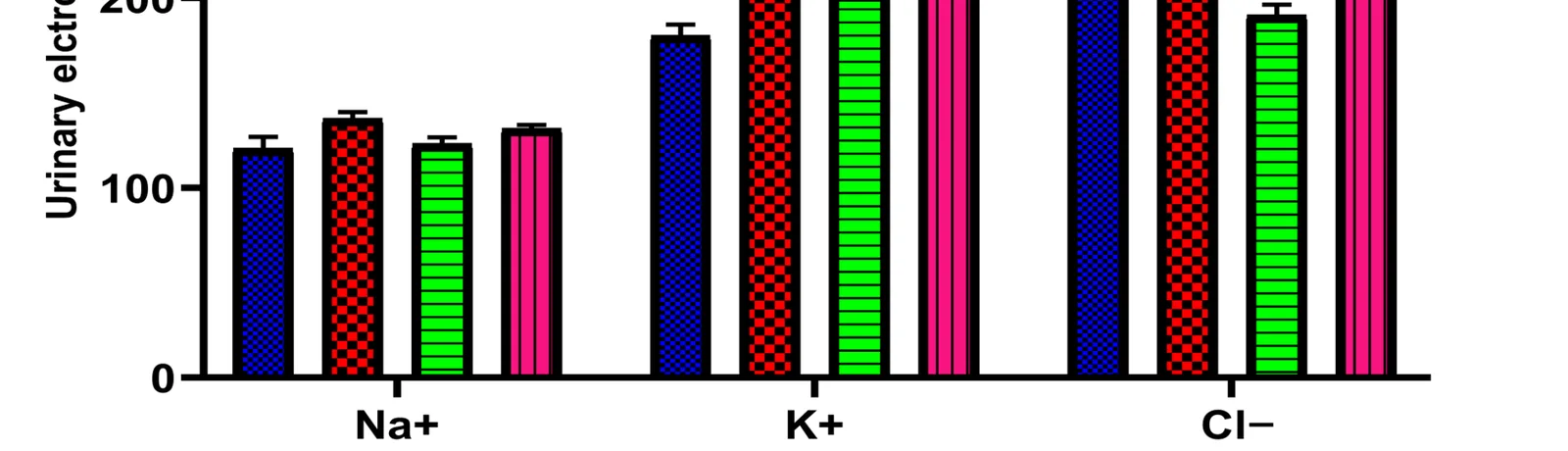
- 두 추출물이 요량, 염소 배설, 크레아티닌 청소율을 높이는 이뇨 활성을 보였다
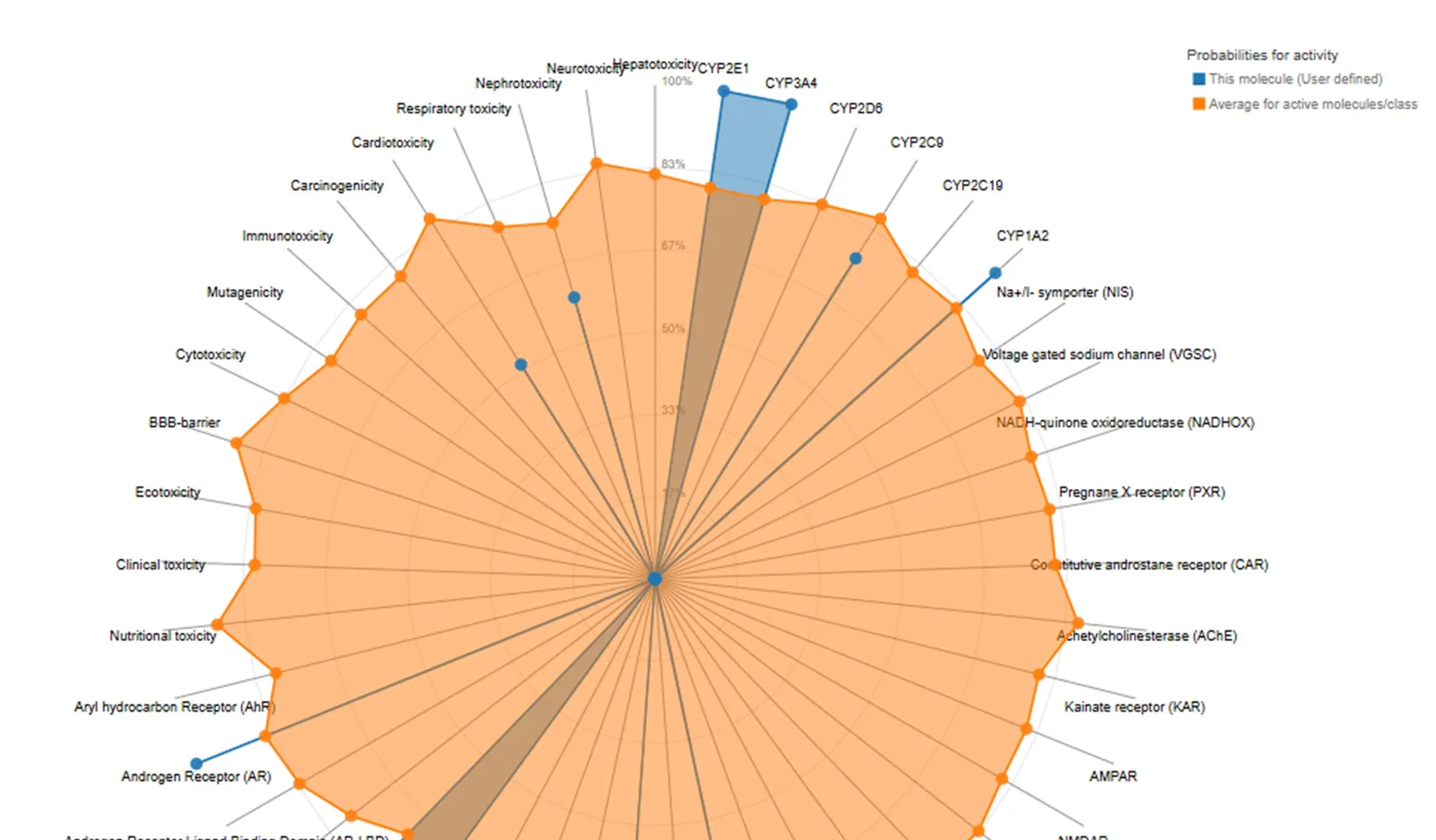
- ProTox-II와 ADMETlab 2.0 기반 trans-resveratrol 독성 예측에서 간독성, 변이원성, 신경독성이 없었다
4. 제안 방법론
- 전체 접근 논리: 추출물 성분을 분석하고 쥐 이뇨 시험으로 효능을 보며, 주요 성분의 독성을 컴퓨터로 예측했다.
- 단계:
- 잎 분말 100 g을 1 L 용매(물, 70% 에탄올)로 48시간 침출
- LC-MS/MS(MRM) 페놀 성분 분석, trans-resveratrol의 ProTox-II, ADMETlab 2.0 독성 예측
- 수컷 Wistar 쥐 4군(n = 4)에 대조, furosemide, 수성 추출물, 에탄올 추출물을 경구 투여
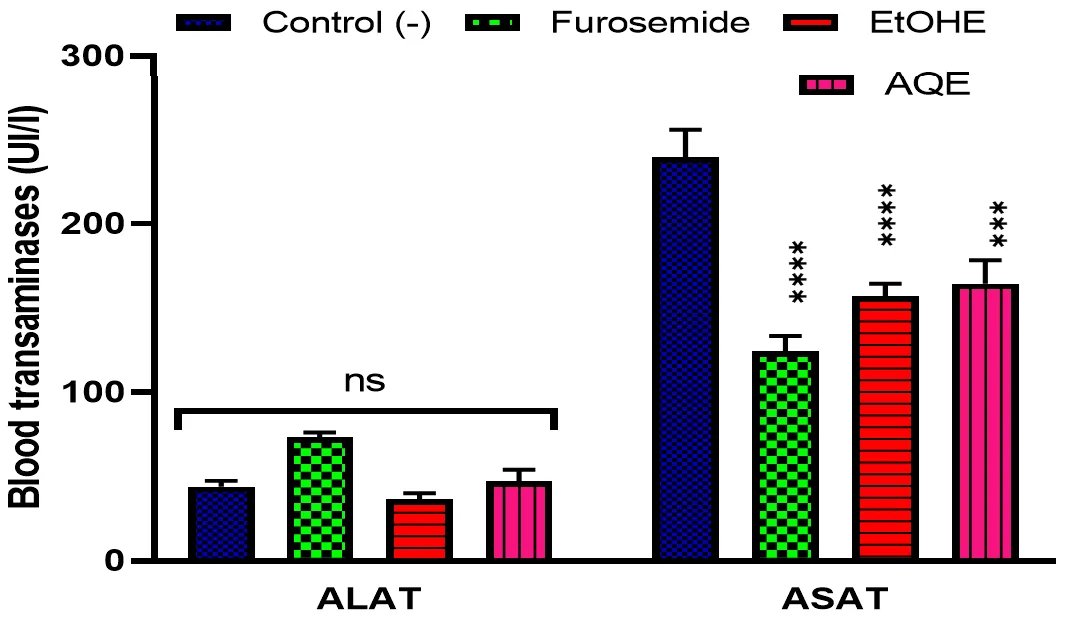
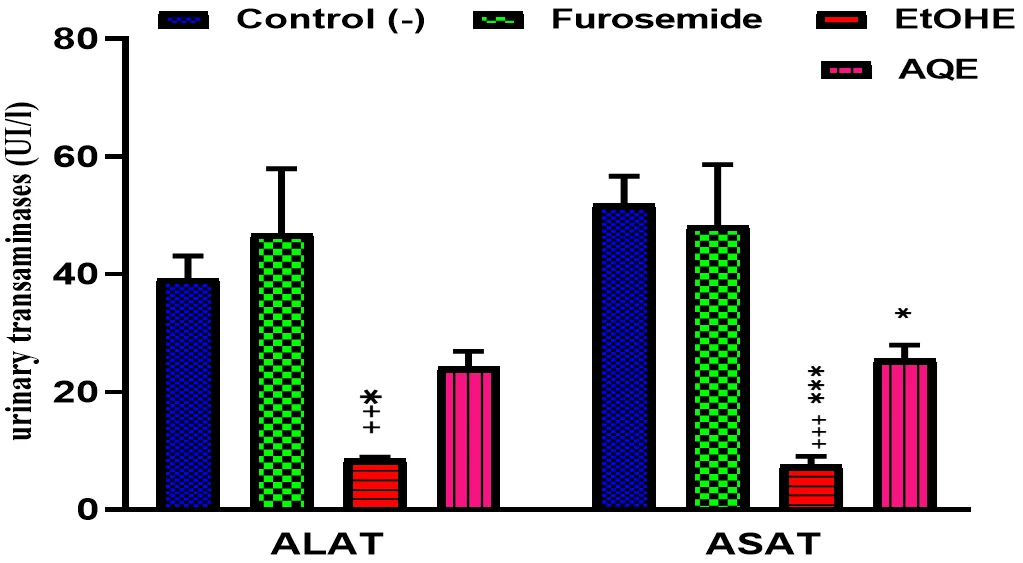
- 0일과 15일 요 채취 후 전해질, 크레아티닌, 크레아티닌 청소율, ALT, AST 평가
5. 실험 설정
| 항목 | 내용 |
|---|---|
| 대상/재료 | 수컷 Wistar 쥐(초록에는 24마리, 방법 본문에는 4군 n = 4로 서술되어 수치 불일치) |
| 처리 조건 | 수성 추출물(AQE) 300 mg/kg, 70% 에탄올 추출물(EtOHE) 300 mg/kg, 15일 |
| 대조군 | 증류수 10 mL/kg, furosemide 10 mg/kg |
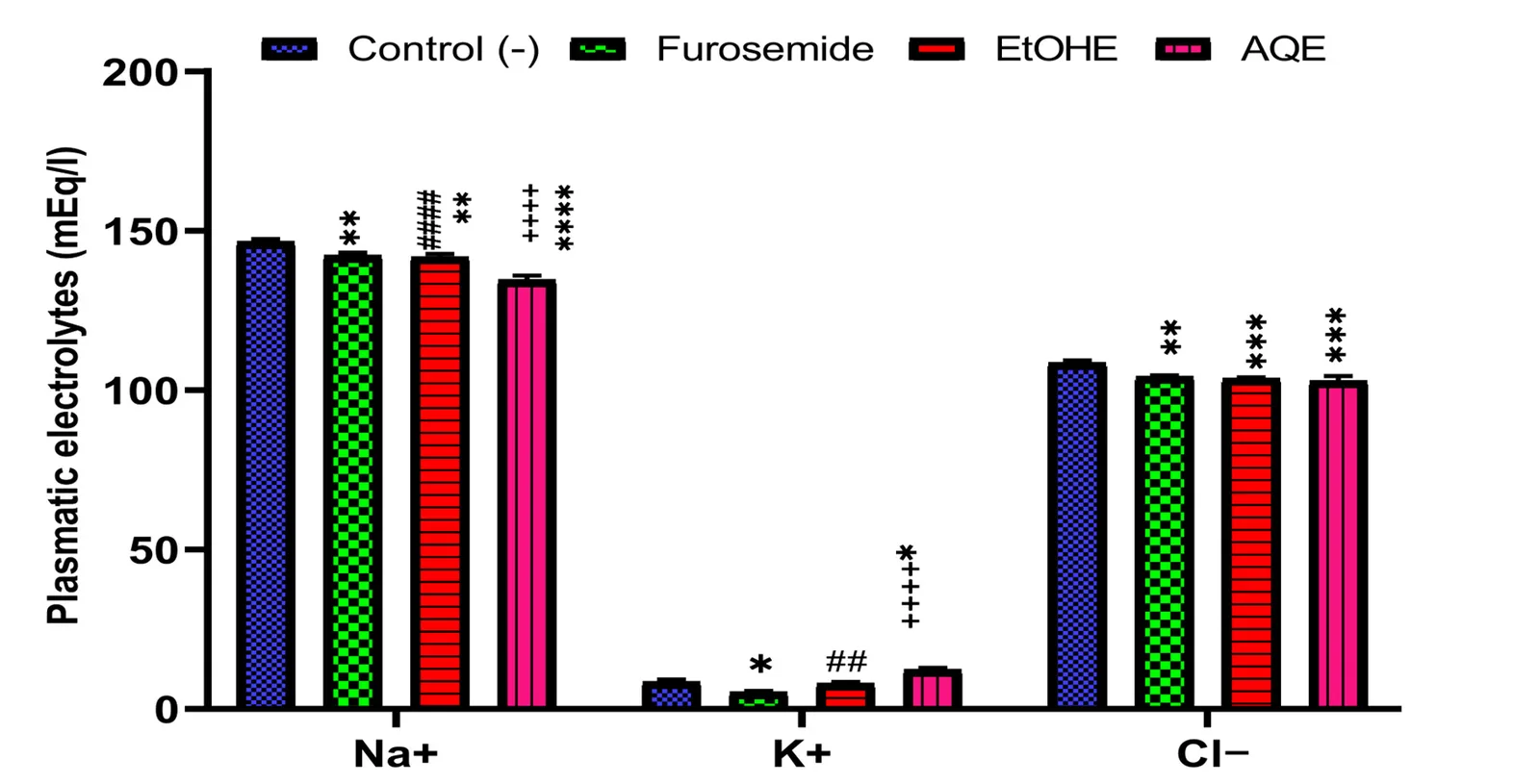
| 측정 방법 | 요량, 요 및 혈장 전해질(Na, K, Cl), 크레아티닌, 크레아티닌 청소율, 간 효소 |
6. 실험 결과 분석
| 지표 | 변화(Δ) | 조건 · 유의성 |
|---|---|---|
| 페놀 프로파일 | 14종 동정, trans-resveratrol 270 µg/g(AQE) 최다, 다음 cyanidin-3-O-glucoside, gentisic acid | LC-MS/MS |
| 이뇨 지표 | 요량, 염소 배설, 크레아티닌 청소율 유의하게 증가 | AQE, EtOHE 300 mg/kg |
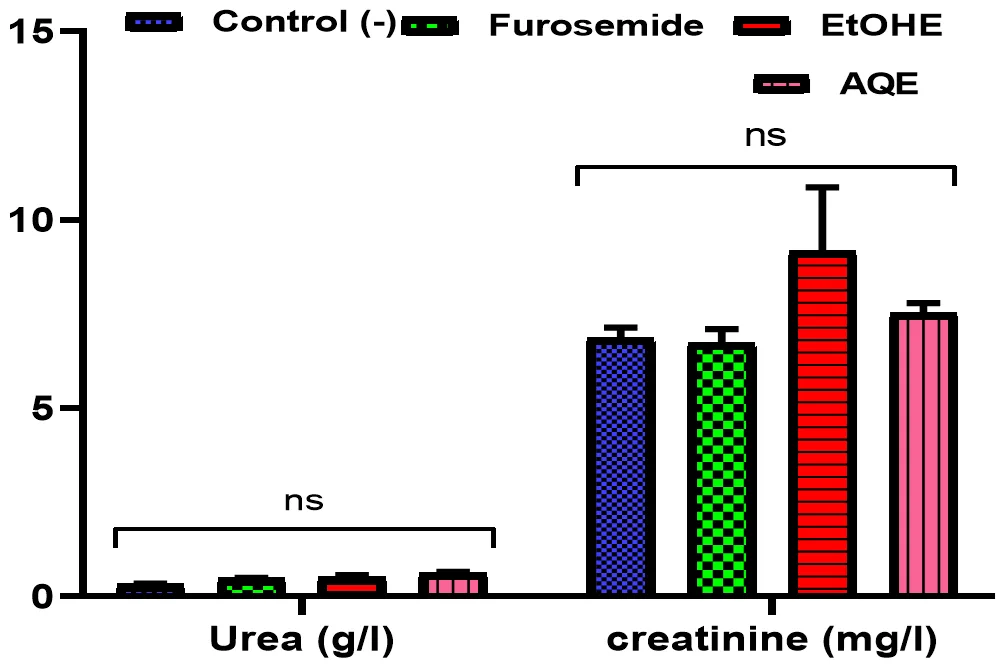
| 신장·간 생화학 | 안정적으로 유지 | 두 추출물 |
| trans-resveratrol in silico 독성 | 간독성, 변이원성, 신경독성 없음 | ProTox-II, ADMETlab 2.0 |
7. 비판적 평가
강점
- 성분 분석, in vivo 이뇨 시험, in silico 독성 예측을 결합했다
한계 · 의문
- 추출물 자체의 독성은 쥐 생화학 지표로만 평가했다
- 작용 기전은 규명되지 않았다
- 표본이 군당 4마리로 작다(방법 본문 기준)
8. 향후 연구 방향
- 약리 기전과 치료적 관련성 규명
9. 결론
A. boeticus 추출물은 페놀 성분, 특히 trans-resveratrol과 연관된 강한 이뇨 잠재력과 양호한 안전성을 보여 천연의 안전한 이뇨 소재로 지지된다. 기전 규명을 위한 추가 연구가 권고된다.
Keywords
Astragalus boeticus, diuretic activity, LC-MS/MS, trans-resveratrol, in silico toxicity, Wistar rats, phenolic compounds
원문 그림

원문 그림 · 라이선스: cc-by