Human-Animal Bond
Animal-Assisted Interventions Improve Mental, But Not Cognitive or Physiological Health Outcomes of Higher Education Students: a Systematic Review and Meta-analysis
Animal-Assisted Interventions Improve Mental, But Not Cognitive or Physiological Health Outcomes of Higher Education Students: a Systematic Review and Meta-analysis
- 저자: Huber A; Klug SJ; Abraham A; Westenberg E; Schmidt V; Winkler AS
- 출처: - (2022)
- DOI/링크: https://doi.org/10.1007/s11469-022-00945-4
- 연구 계열: Topics/Human-Animal Bond
- 게재일: 2022-11-15
TL;DR
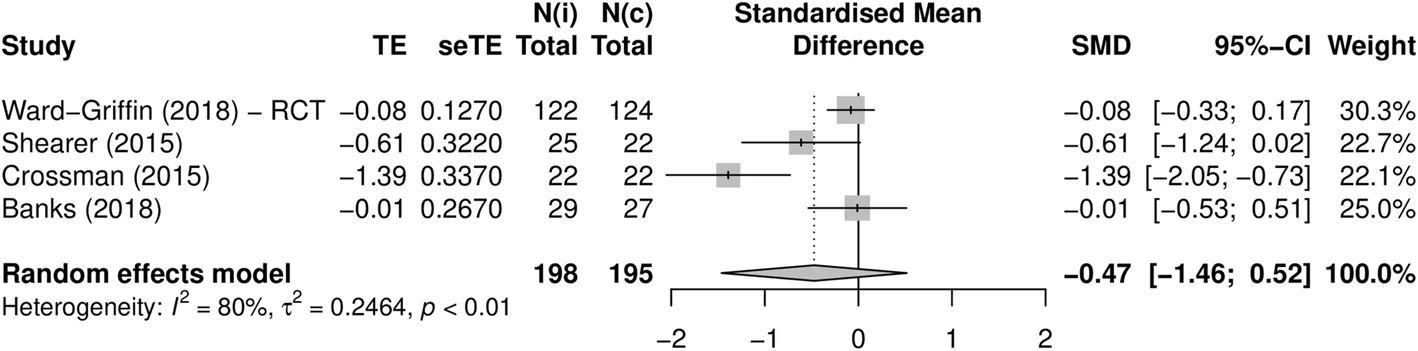
고등교육 학생 대상 동물매개중재(AAI)의 무작위 대조시험 35편을 체계적으로 고찰하고 메타분석했다. 급성 불안과 스트레스는 전반적으로 감소했고 다른 정신건강 결과도 작지만 유익한 경향을 보였으나, 생리적·인지적 결과에서는 뚜렷한 효과가 없었다.
1. 연구 배경 및 동기
- 다루는 문제: 고등교육 기관 학생의 정신건강 부담이 전 세계적으로 높아 학생의 스트레스를 줄이려고 AAI가 활용되고 있다.
- 기존의 공백 / 왜 필요한가: AAI가 고등교육 학생의 정신적, 생리적, 인지적 결과에 미치는 영향을 체계적으로 종합할 필요가 있다.
2. 관련 연구
- 이 논문의 위치: 낯선 동물을 유일한 중재 도구로 쓴 무작위 대조시험만 모아 고등교육 학생의 세 영역 결과를 종합한 체계적 고찰이다.
3. 핵심 기여
- 35편의 무작위 대조시험을 종합
- 정신건강, 생리, 인지 결과를 구분하여 효과 비교
- 급성 불안·스트레스 감소 및 방법론적 이질성 제시
4. 제안 방법론
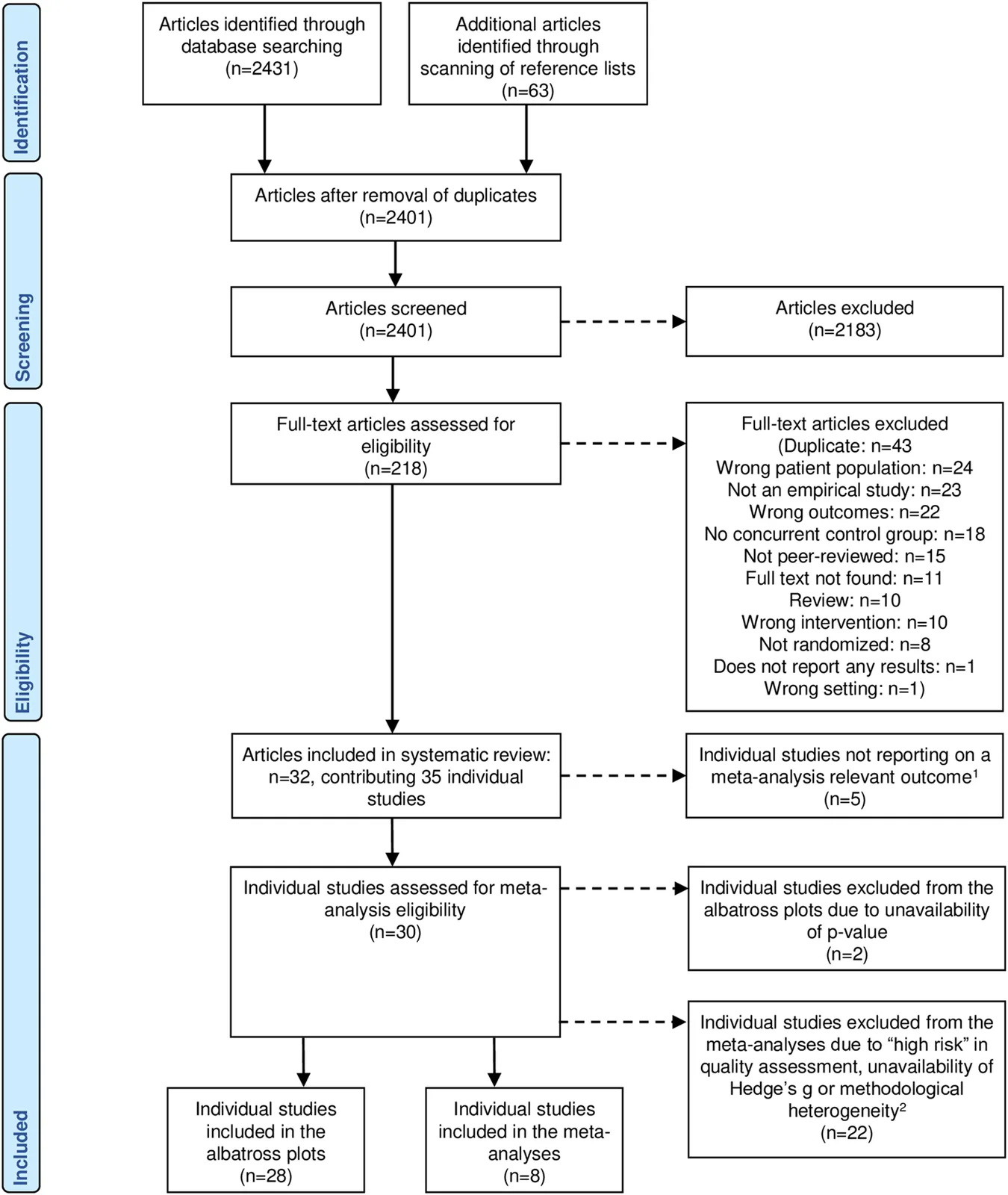
- 전체 접근 논리: PRISMA-P에 따라 프로토콜을 작성해 PROSPERO에 등록하고, 다수 DB를 검색하여 무작위 대조시험을 선별한 뒤 위험 편향을 평가하고 가능한 결과는 random-effects 메타분석으로 통합했다.
- 단계:
- 2020년 6월 10-20일 Medline/PubMed, PsycInfo, CINAHL, Web of Science, Embase, ERIC, Scopus 등 검색
- 두 검토자가 제목·초록 후 전문을 독립 선별
- Cochrane RoB 2로 위험 편향 평가
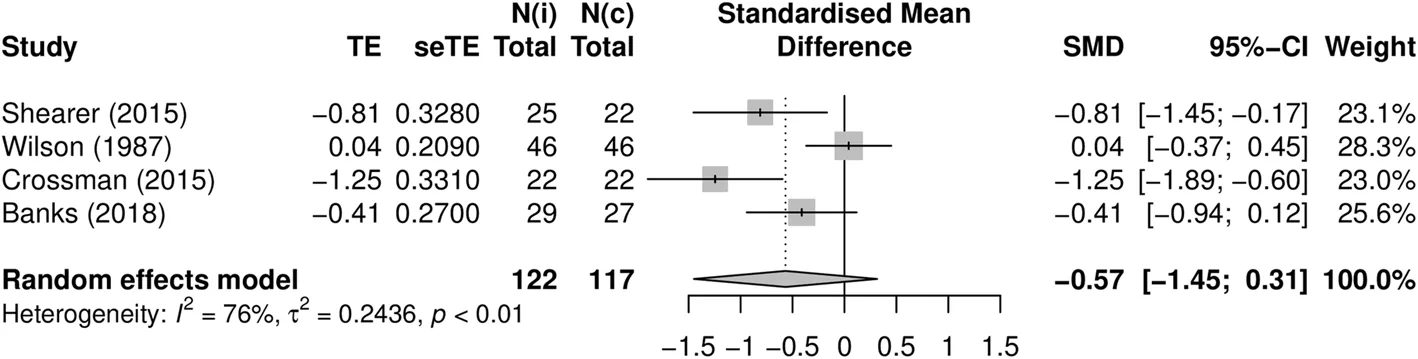
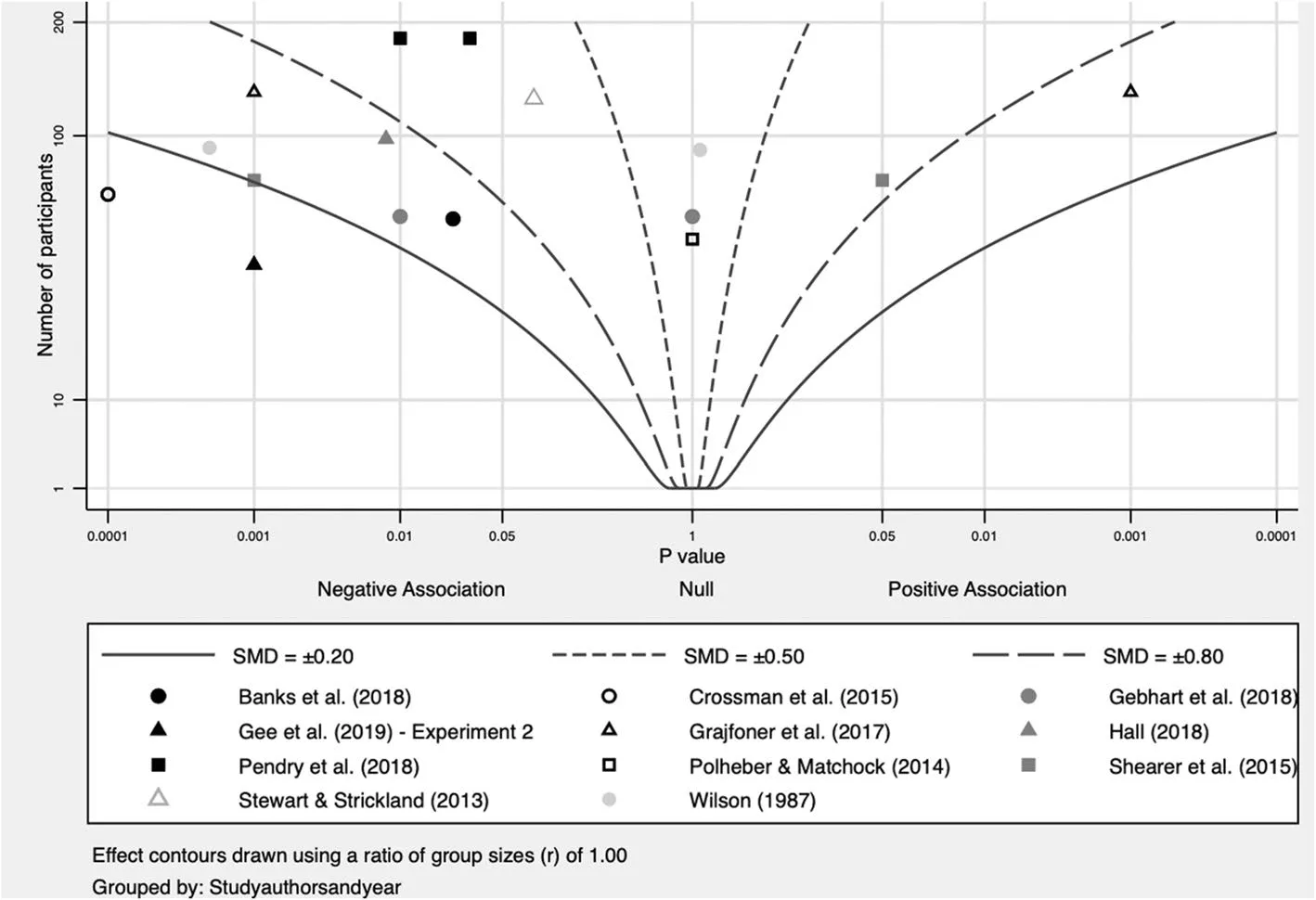
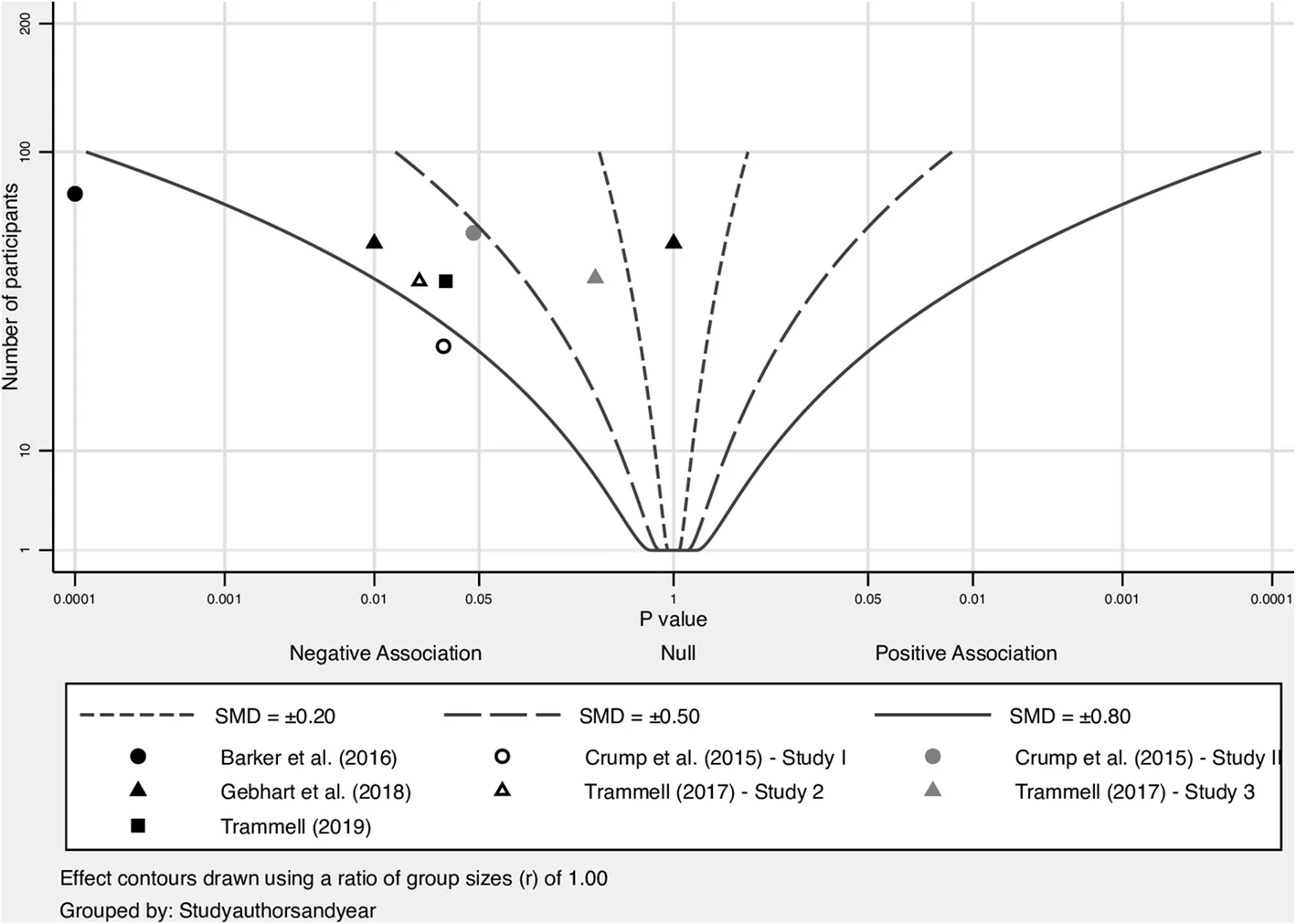
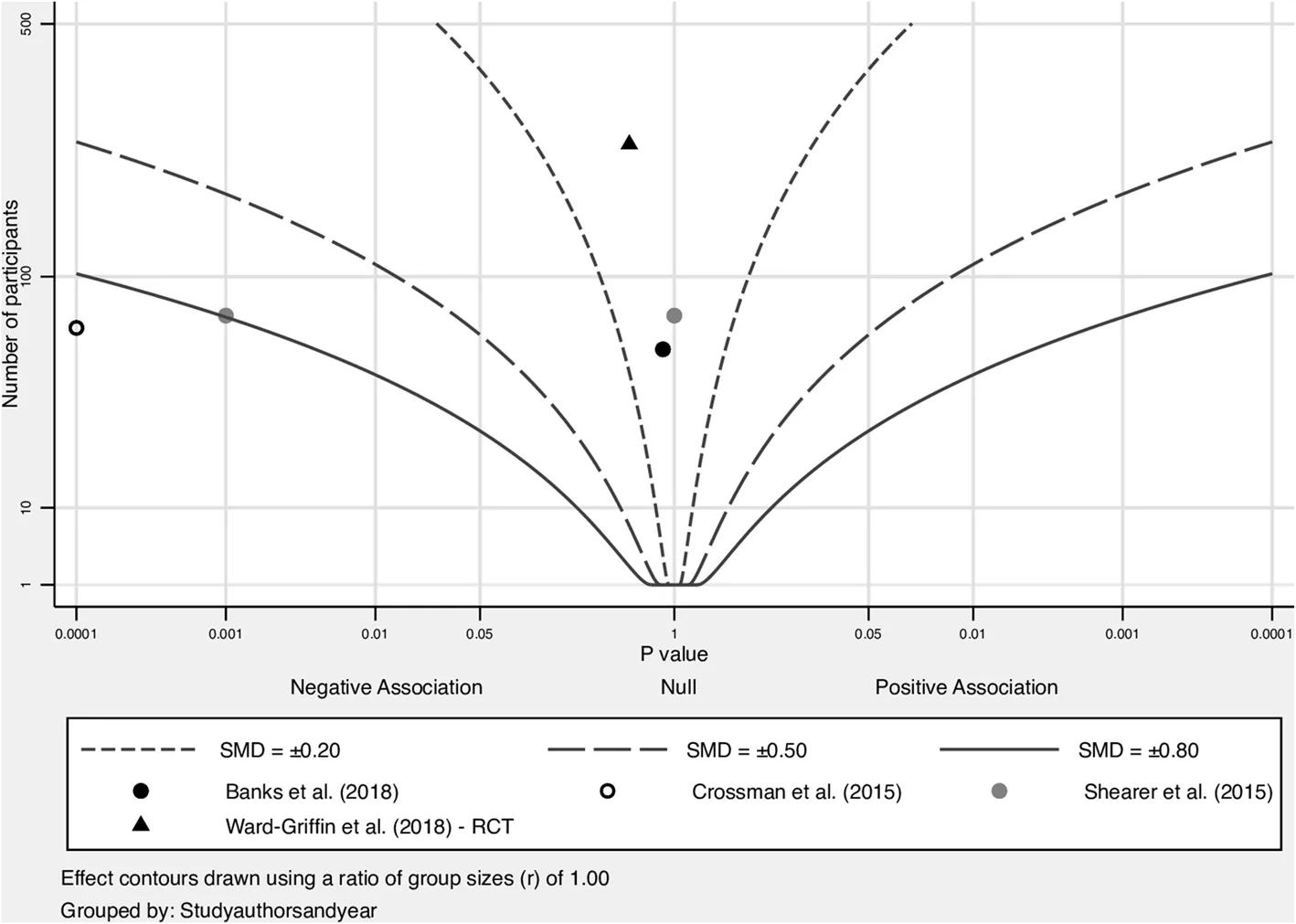
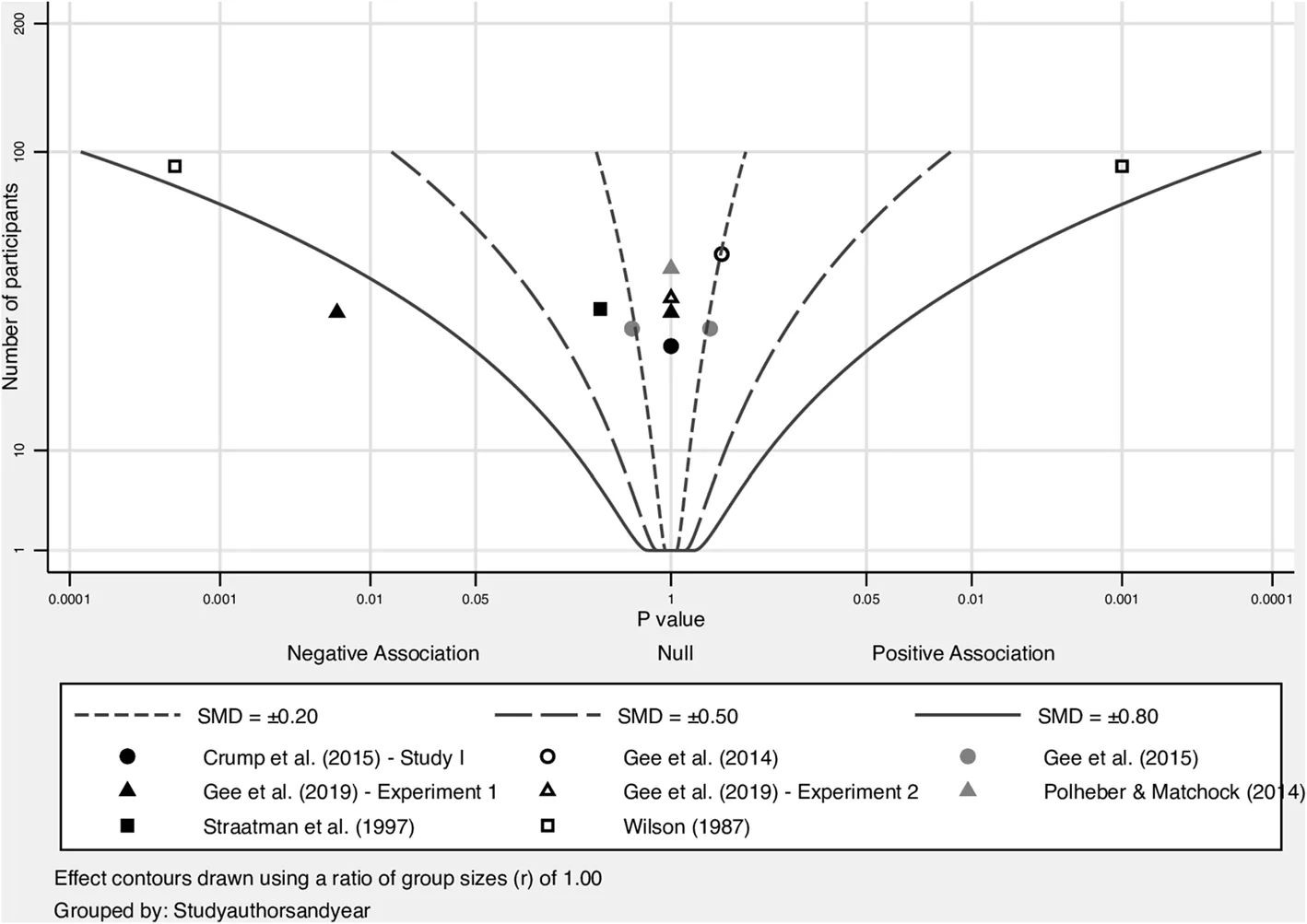
- 효과크기(Hedges’ g)를 random-effects 메타분석으로 통합하고 albatross plot로 보완
5. 실험 설정
| 항목 | 내용 |
|---|---|
| 대상/재료 | 확인된 2,494편 중 35편 포함, 거의 모든 연구가 개를 중재 동물로 사용 |
| 처리 조건 | 낯선 동물을 유일한 중재 도구로 쓴 동료 심사 학술지의 무작위 대조시험, 고등교육 학생의 정신적·생리적·인지적 결과 평가 |
| 대조군 | 해당 없음(리뷰) |
| 측정 방법 | 정신건강(스트레스, 불안, 우울), 생리(혈압, 심박수, cortisol), 인지(집중, 시험 성적 등) 결과 |
6. 실험 결과 분석
| 지표 | 변화(Δ) | 조건 · 유의성 |
|---|---|---|
| 급성 불안과 스트레스 | 전반적으로 감소 | 포함 연구 종합 |
| 기타 정신건강 결과 | 더 작지만 유익한 효과 | 포함 연구 종합 |
| 생리적·인지적 결과 | 뚜렷한 효과 없음 | 포함 연구 종합 |
| 연구 질 | 대부분 중간 수준 | Cochrane RoB 2 |
7. 비판적 평가
강점
- PROSPERO 등록 프로토콜
- 독립된 두 검토자의 선별과 자료 추출
- 다수 DB와 회색문헌 검색
한계 · 의문
- 연구 간 방법론적 이질성이 커서 명확한 결론을 내리기 어려움
- 대부분 개를 사용한 연구로 다른 동물에는 일반화가 제한적임
8. 향후 연구 방향
9. 결론
AAI는 고등교육 학생의 급성 불안과 스트레스를 줄이는 정신건강 이점이 있었으나 생리적·인지적 결과에서는 명확한 효과가 없었다. 연구 간 이질성이 커 결론에 한계가 있다.
Keywords
animal-assisted intervention, higher education students, stress, anxiety, systematic review, meta-analysis, dogs
원문 그림
원문 그림 · 라이선스: cc-by