Natural Product Efficacy Evaluation
New immunomodulatory treatment protocol for canine leishmaniosis reduces parasitemia and proteinuria
New immunomodulatory treatment protocol for canine leishmaniosis reduces parasitemia and proteinuria
- 저자: Miró G; Segarra S; Cerón JJ; Ferrer L; Solano-Gallego L; Montell L; Costa E; Teichenne J
- 출처: - (2024)
- DOI/링크: https://doi.org/10.1371/journal.pntd.0012712
- 연구 계열: Topics/Natural Product Efficacy Evaluation
- 투고일: 2024-03-09
TL;DR
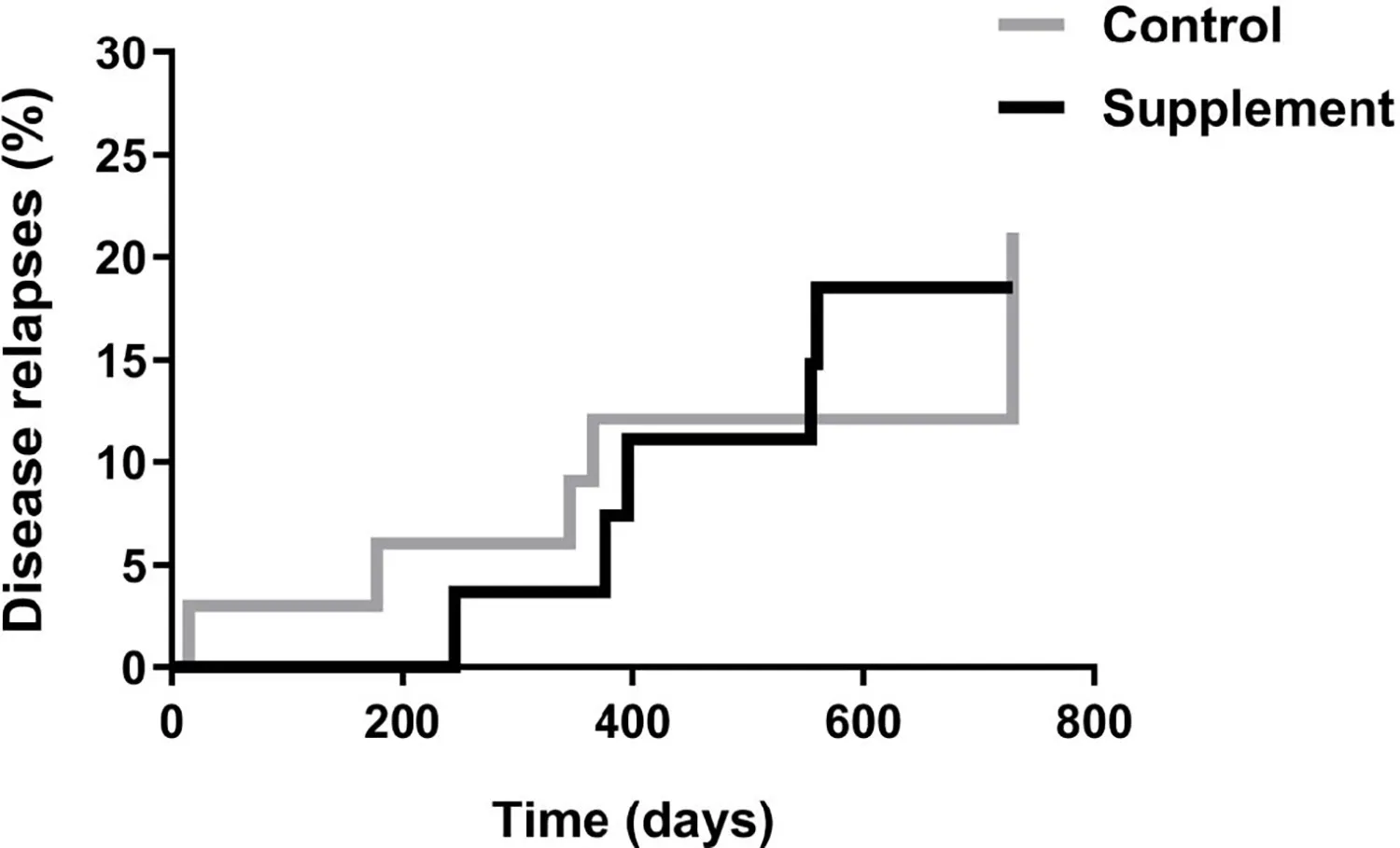
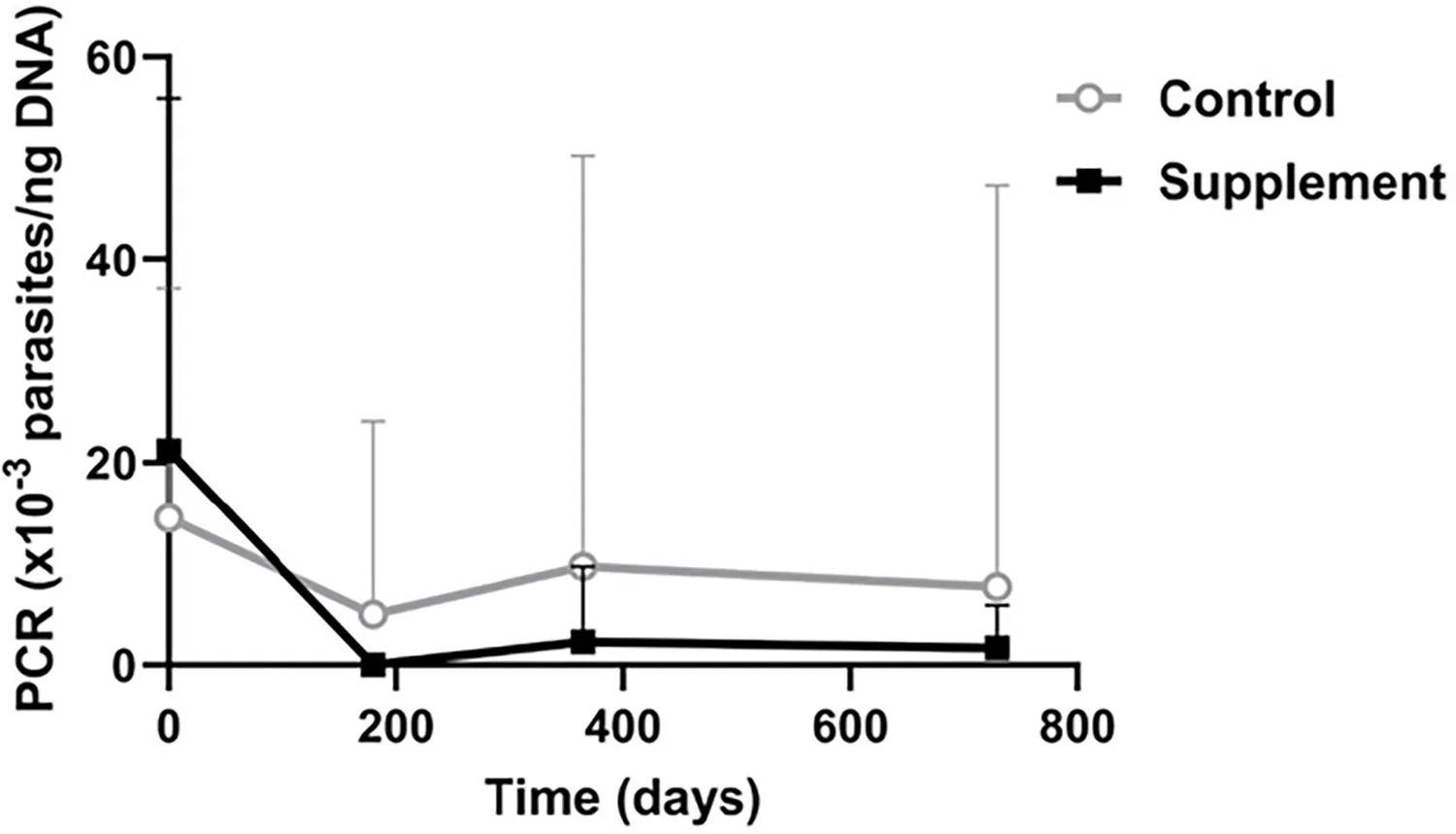
자연 발생 리슈만편모충증 개 97마리에 표준 치료(MGA+allopurinol)와 함께 nucleotide와 AHCC가 든 보충제(Impromune)를 2년간 급여한 이중맹검 위약대조 시험에서, 보충제군은 기생충 부하와 요단백/크레아티닌비(UP/C)를 더 낮추고 IRIS 단계를 개선했다. 2년째 재발은 보충제군 18.5%, 대조군 22.6%였고 안전성은 양호했다.
1. 연구 배경 및 동기
- 다루는 문제: 개 리슈만편모충증(CanL)의 표준 치료인 N-methylglucamine antimoniate(MGA)와 allopurinol은 완전히 효과적이지 않고 부작용과 약제 내성이 생길 수 있다.
- 기존의 공백 / 왜 필요한가: 시험관 및 동물 연구에서 nucleotide를 단독 또는 AHCC와 함께 투여할 때 이점이 보고되어, 표준 치료에 추가하는 면역조절 프로토콜의 임상 효과를 확인할 필요가 있었다.
2. 관련 연구
- 기존 연구 흐름: 시험관·생체 연구에서 nucleotide를 단독 또는 AHCC와 병용했을 때 CanL 치료에 이로운 효과가 보고되었다.
- 이 논문의 위치: 표준 치료에 식이 nucleotide와 AHCC를 더한 새 면역조절 프로토콜을 2년간 다기관 무작위 이중맹검 위약대조 임상시험으로 평가한 연구이다.
3. 핵심 기여
- 표준 치료에 보충제를 더해 2년간 추적한 다기관 무작위 이중맹검 위약대조 임상시험
- 보충제 추가로 기생충 부하 감소와 신장 기능 지표 개선 확인
- 2년 일일 섭취의 안전성과 내약성 확인
4. 제안 방법론
- 전체 접근 논리: 자연 감염 개를 표준 치료 + 보충제군과 표준 치료 + 위약군에 무작위 배정해 재발률, 임상 점수, 기생충 부하, 신장 지표 등을 730일간 비교했다.
- 단계:
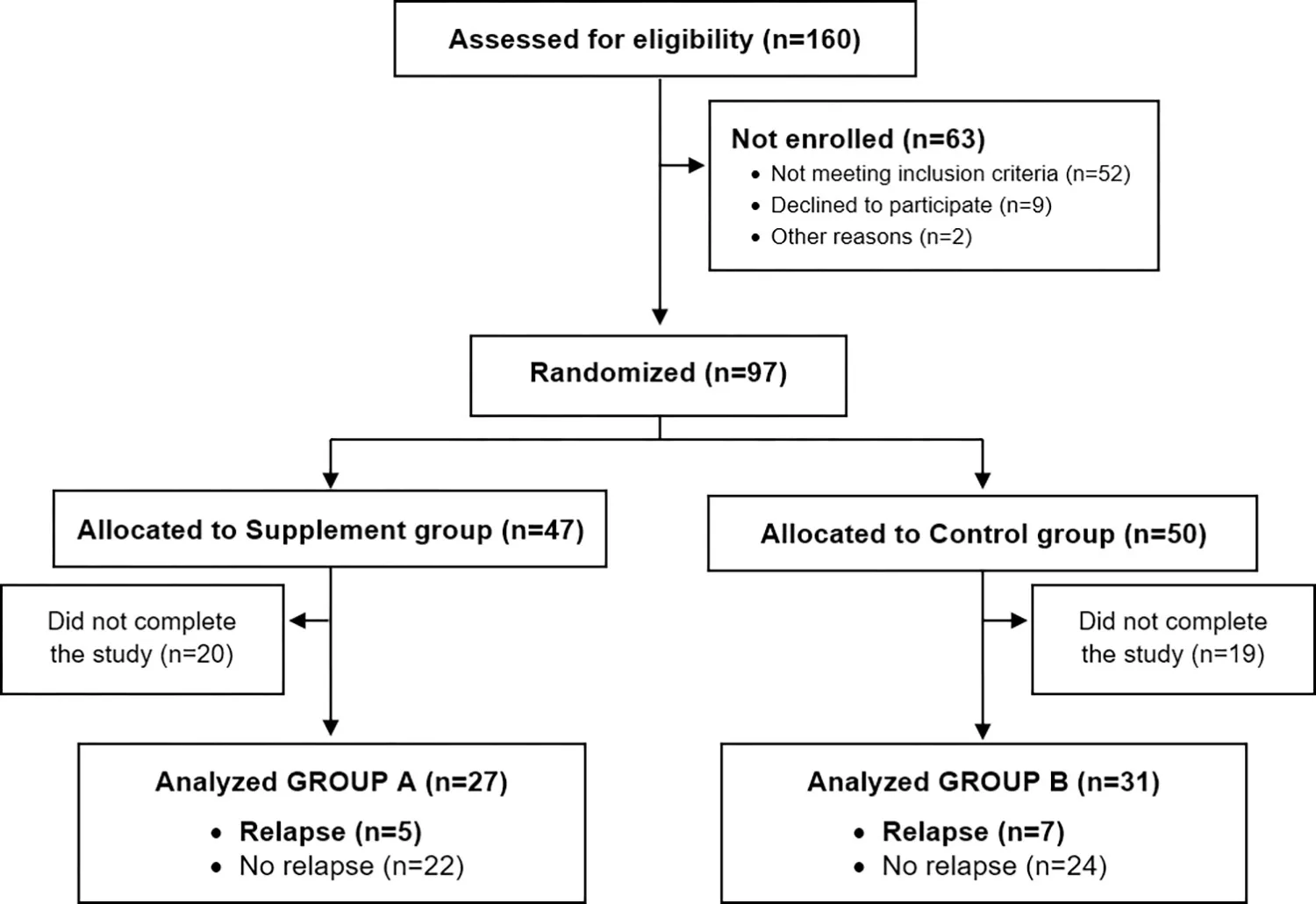
- 스페인·포르투갈 13개 동물병원에서 LeishVet 2-3기 개를 모집해 컴퓨터 생성 일정으로 무작위 배정(160마리 중 97마리)
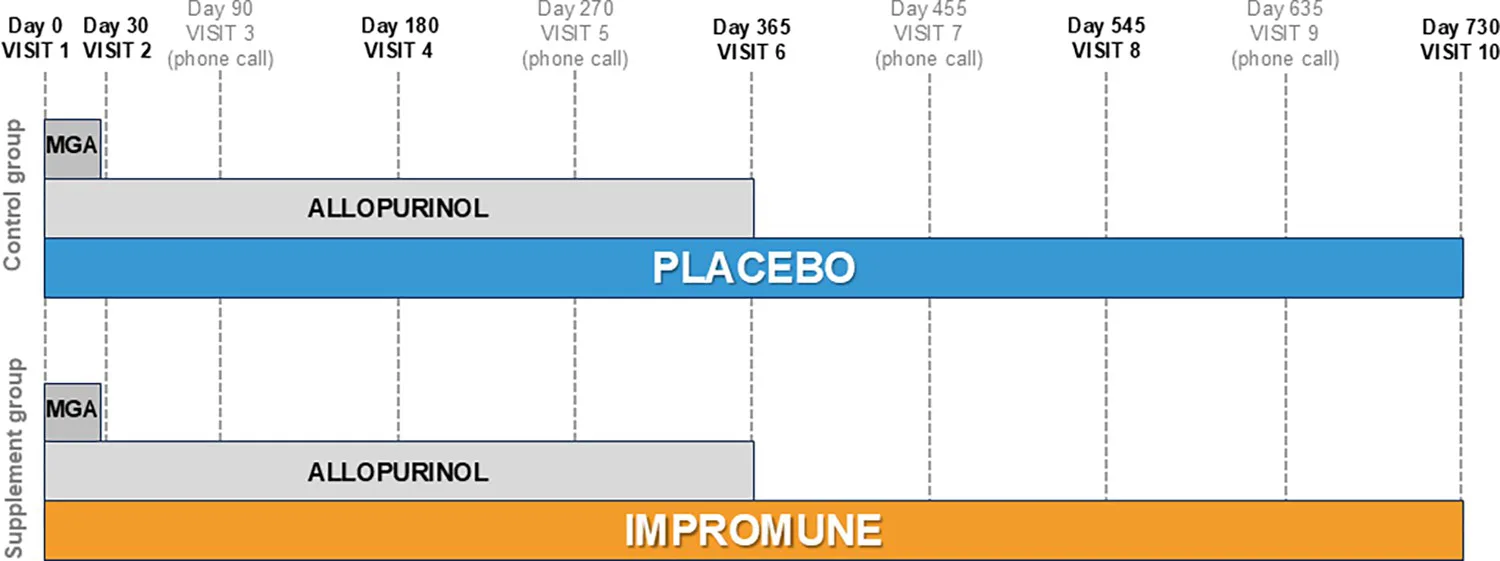
- 전 개체에 MGA 28일과 allopurinol 365일을 투여하고, 0-730일 동안 보충제군에는 Impromune, 대조군에는 위약 급여
- 기준선과 30, 180, 365, 545, 730일에 방문 평가하고 90, 270, 455, 635일에 전화로 경과 확인
- ANCOVA, Fisher 정확검정, 반복측정 ANOVA, McNemar 검정으로 per-protocol 분석
5. 실험 설정
| 항목 | 내용 |
|---|---|
| 대상/재료 | 임상 증상이 있는 자연 감염 개 97마리(보충제군 47마리, 대조군 50마리), LeishVet 2-3기, 항체가가 높거나 중간 항체가와 혈액 qPCR 양성 |
| 처리 조건 | 표준 치료(MGA 28일, allopurinol 365일) + Impromune(nucleotide 32 mg/kg, AHCC 17 mg/kg, 매일, 730일) |
| 대조군 | 표준 치료 + 위약(미결정질 셀룰로오스 정제) |
| 측정 방법 | 재발률, LeishVet 단계, 임상 점수, IRIS 단계, 혈액 qPCR 기생충 부하, CBC, 혈청 생화학, 급성기 단백질, 항체가, UP/C 등 요검사, 이상반응 |
6. 실험 결과 분석
| 지표 | 변화(Δ) | 조건 · 유의성 |
|---|---|---|
| 2년 후 재발 | 보충제군 5마리(18.5%), 대조군 7마리(22.6%) | 이 발췌에서는 군 간 유의성 확인 안 됨 |
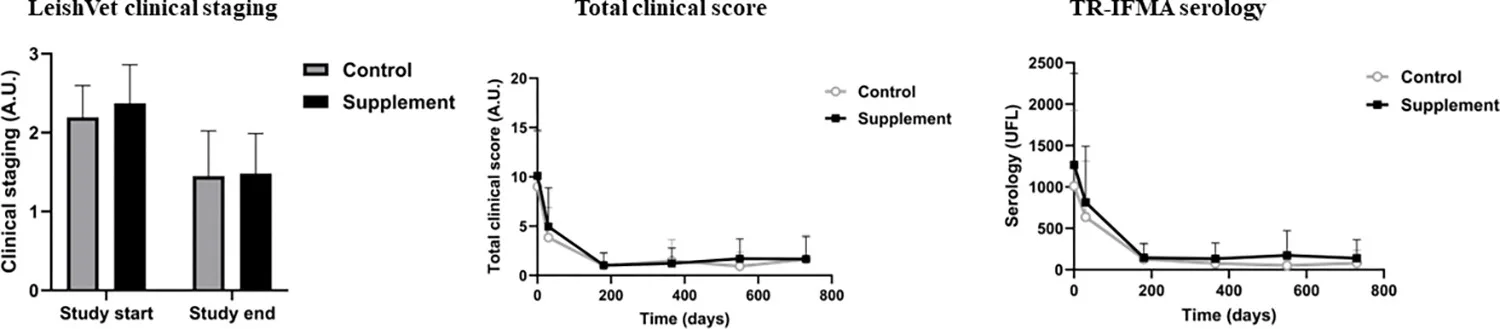
| 체중, LeishVet 단계, 임상 점수, 항체가 | 두 군 모두 시간에 따라 유의하게 개선 | 표준 치료 효과 |
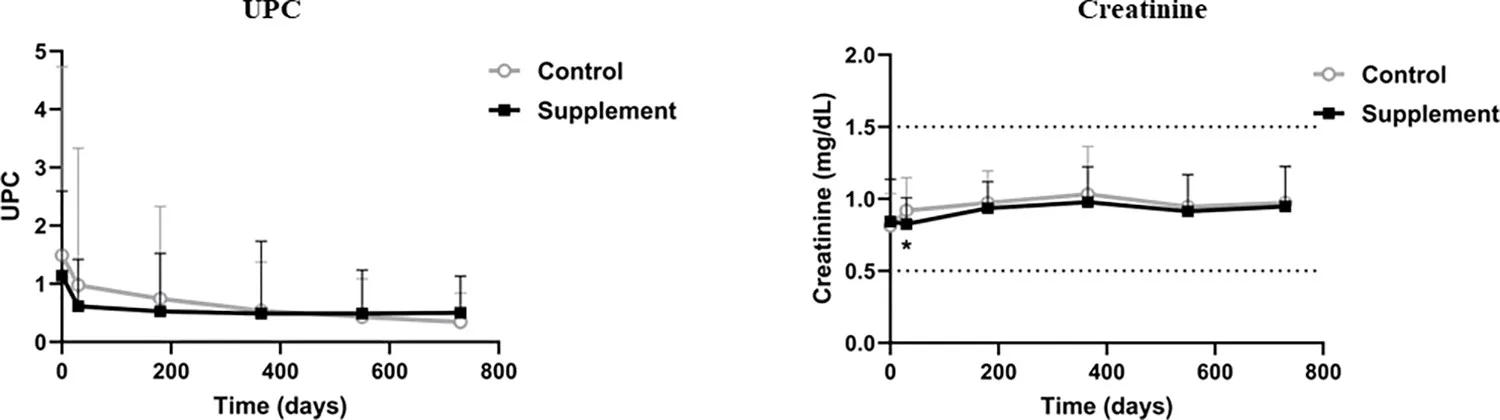
| 기생충 부하와 UP/C | 보충제 추가로 유의하게 더 감소 | 보충제군 vs 대조군 |
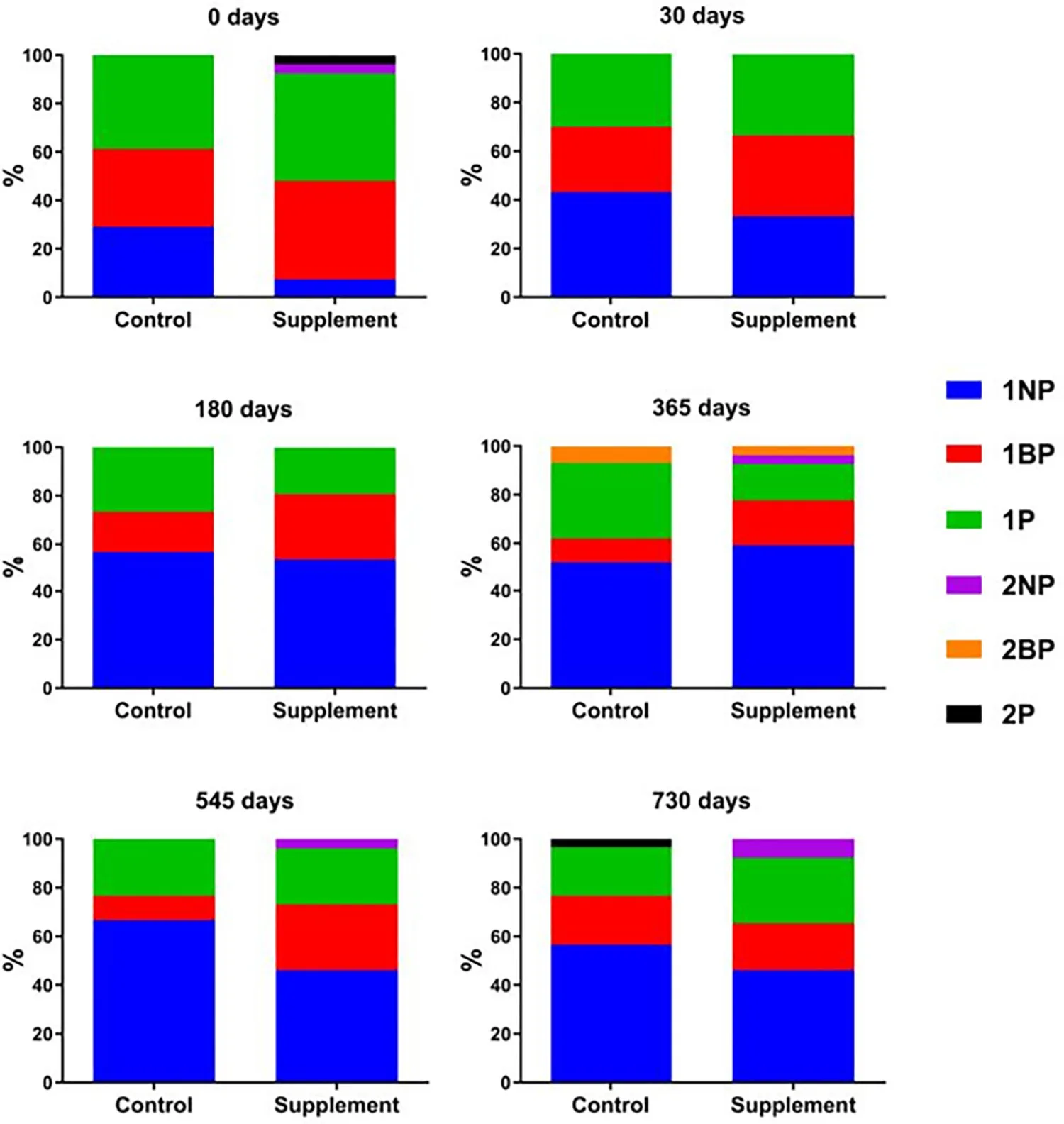
| IRIS 단계와 혈청 크레아티닌 | IRIS 단계 개선, 30일째 혈청 크레아티닌 감소 | 보충제군 |
| 요 혼탁도와 체중 증가 | 365일째 요 혼탁도 감소, 545일째 체중 증가 개선 | 보충제군 |
| 안전성 | 2년 일일 섭취가 안전하고 내약성이 좋음 | 이상반응 기록 |
7. 비판적 평가
강점
- 다기관 무작위 이중맹검 위약대조 설계
- 730일의 장기 추적과 임상·검사 지표를 폭넓게 평가
한계 · 의문
- per-protocol 분석이라 시험을 마친 개체와 재발 개체만 포함
- Impromune은 nucleotide와 AHCC 복합제라 각 성분의 기여를 구분할 수 없음
- 저자 중 보충제 제조사 소속 연구자가 포함됨
8. 향후 연구 방향
9. 결론
표준 치료가 CanL에 효과적임이 확인되었고, Impromune을 추가하면 특히 기생충 부하 감소와 신장 기능 개선의 추가 이점이 있었다. 2년 일일 섭취는 안전했다.
Keywords
canine leishmaniosis, nucleotides, AHCC, immunomodulation, allopurinol, meglumine antimoniate, randomized clinical trial, proteinuria
원문 그림
원문 그림 · 라이선스: cc-by